Lightweight Jackets vs. Packable Rain Shells: Which Wins for City Trips?
Packing for a city trip often comes down to one stubborn question: do you bring the light jacket that feels good on a cool evening, or the packable rain shell that promises to save you from a sudden downpour? Both are small, both are useful, and both can be the right answer. The trouble starts when you try to make one piece do everything. A light jacket and a rain shell solve different problems, and the better choice depends on the weather you expect, how much you plan to walk, and how much space you are willing to give up in your bag.
First, define the two contenders
A lightweight jacket, in the travel sense, usually means a lightly insulated piece: a thin synthetic or down jacket, a quilted liner, or a softshell with a bit of warmth. It is designed to take the chill off without adding bulk. It works over a shirt in spring, under a coat in winter, and on its own in the evening when the temperature drops.
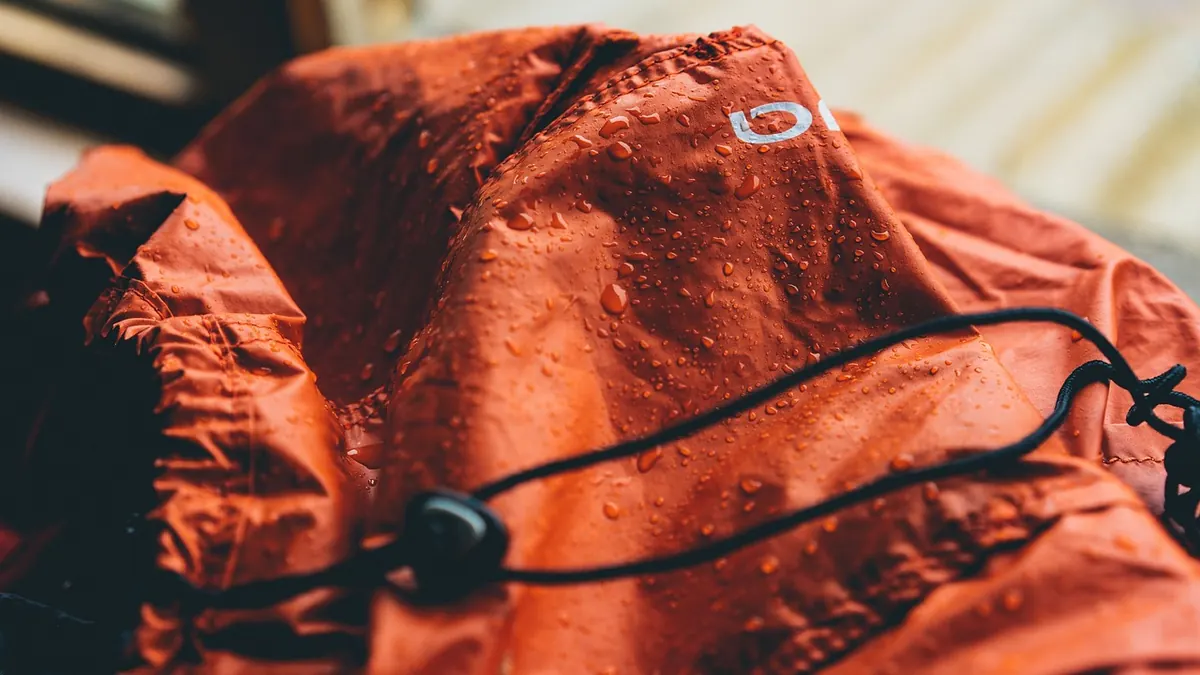
A packable rain shell is a different animal. It is uninsulated, thin, and built to block wind and rain. Good versions have taped seams, a hood that can be adjusted, and some form of ventilation. They fold into their own pocket or a small stuff sack and take up roughly the space of a paperback. They add almost no warmth on their own, but they keep the weather out.
Plenty of products blur the line. A softshell may resist light rain and provide warmth. A “3-in-1” style may include a removable liner. Before you compare labels, decide what you need the piece to do most often. If the answer is “keep me warm on a cool evening,” lean toward a light jacket. If it is “keep me dry while I walk across town,” lean toward a shell.
Warmth: insulation versus protection
City weather is rarely steady. Morning air can be cool, midday sun can be warm, and evening wind can make a short walk feel much colder. A light insulated jacket handles that range well because it traps body heat. It is the piece you reach for on a terrace at dusk, on an early train, or in a museum with aggressive air conditioning.
A rain shell does not trap much heat by itself. It blocks wind, which helps, but it will not keep you warm if you are wearing only a T-shirt underneath. In mild rain, that is fine. In a cold rain, you need a midlayer: a fleece, a light sweater, or a warm base layer. The shell becomes the outer barrier, not the source of warmth.
This is why layering matters more than the jacket itself. A thin base layer, a light midlayer, and a shell can handle more conditions than a single insulated jacket, but that is three pieces to pack and manage. A light jacket is simpler: one piece, one decision. For a short trip with cool, mostly dry weather, simplicity often wins.
Check the details that affect warmth. A jacket with a close-fitting hem and cuffs holds heat better. A shell with a large hood and a high collar protects your neck and face from wind. Neither feature replaces insulation, but both make a lightweight piece feel more capable than its weight suggests.
Packability: size is only half the story
A packable rain shell usually wins on pure volume. It compresses small, often into its own pocket, and can live in the bottom of a daypack without much complaint. That matters if you are sightseeing all day and want a backup layer that disappears until you need it.
A light jacket also packs down, but it tends to take more space and may need a stuff sack to stay tidy. Down jackets compress well but can lose loft if stored compressed for long periods; synthetic jackets are often less fussy but slightly bulkier. For a weekend bag, either is manageable. For one-bag travel, the shell has the edge.
Packability is also about speed and access. A shell you can pull out on a windy bridge in ten seconds is more useful than a jacket buried at the bottom of your suitcase. If rain is likely, keep the shell in an outer pocket or at the top of your daypack. If evenings are cool but dry, wear the light jacket on travel days and save the space.
Breathability and rain: the walking test
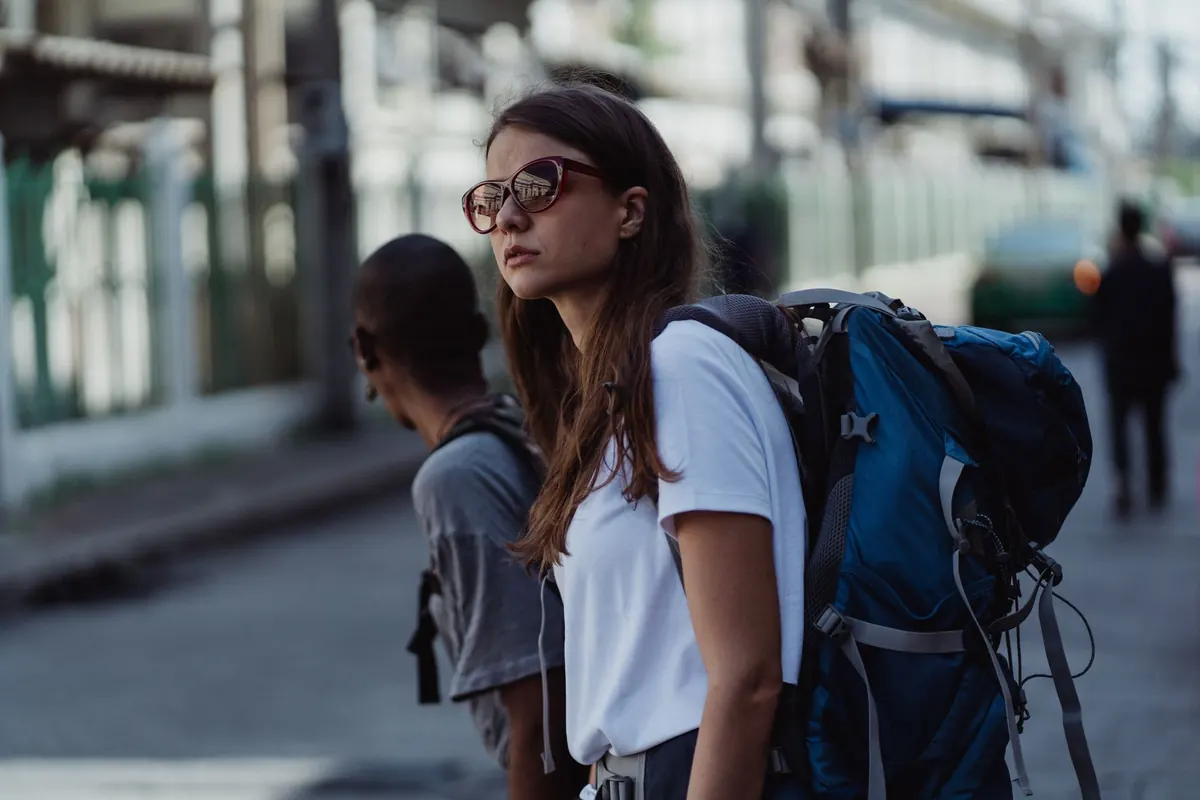
City trips involve more movement than many travelers expect: stairs, metro platforms, long museum halls, and blocks of walking between sights. That matters because waterproof protection and breathability pull against each other. A shell that keeps rain out can also trap moisture from your body, especially if you are carrying a bag or moving quickly.
Look for practical ventilation rather than marketing language. Pit zips, a back vent, or a loose cut that lets air move can make a shell far more comfortable. A breathable fabric helps, but no shell is a substitute for adjusting layers. If you are warm and sweating in a shell, open the vents, slow down, or remove the midlayer underneath.
Insulated jackets have their own breathability issues. A thin puffy jacket is not designed for a fast walk in mild weather; you may overheat and end up carrying it. Synthetic insulation tends to handle damp conditions better than untreated down, which matters if you get caught in a shower. Neither type is ideal for heavy exertion, but for city use, the difference is manageable if you can open the jacket or take it off easily.
For short showers, an umbrella is often the most practical city tool. A shell earns its place in wind-driven rain, on exposed walks, or when you need both hands free. If you expect steady rain and long walks, prioritize a hood with a brim, adjustable cuffs, and a hem that covers your seat.
Style: where each piece fits in the city
A light jacket usually looks more like clothing and less like equipment. Matte fabrics, clean seams, and simple colors work in cafés, restaurants, and museums. A dark quilted jacket over a sweater can look intentional. A shell can look technical, with crinkly fabric, bright zippers, and a hood that bunches at the neck. That is fine for a walking day, but it may feel out of place at dinner.
Modern shells have narrowed the gap. Minimalist designs in navy, black, olive, or stone can pass in most city settings, especially if the fit is clean and the details are quiet. Still, fabric noise and a large hood are real considerations. If you want one piece for both sightseeing and evening plans, a light jacket is usually the easier choice. If rain is the main threat, choose a shell with a slim cut and neutral color, then wear a nicer layer underneath.
Fit matters as much as style. You need room for a sweater without looking swallowed by fabric. Check the hem length, sleeve length, and hood volume. A shell that is too short lets rain onto your thighs; a jacket that is too tight limits layering. Try both over the layers you actually plan to wear.
How to choose for your trip
Use the trip itself as the deciding factor. A few common scenarios point clearly in one direction:
- Cool, mostly dry city break: Choose a light jacket. It will handle evenings, transit, and restaurants without extra layers.
- Mild, rainy, lots of walking: Choose a packable shell and bring a light midlayer. You can adjust warmth and stay dry.
- Unpredictable shoulder season: Bring both if your bag allows. Wear the jacket on travel days and pack the shell.
- One-bag travel: Start with a shell, a warm base layer, and a thin fleece. Add a light jacket only if cold evenings are likely.
- Business or evening plans: Favor the light jacket. A shell can work, but it needs a clean design and a quiet color.
Also consider the rest of your wardrobe. A shell is more versatile if you already pack sweaters and long-sleeve shirts. A light jacket is more useful if your other clothes are simple and you want one piece to add warmth. Neither choice fixes a packing list that is too thin for the forecast.
A simple decision rule for the night before
Check the forecast, then ask yourself where you will be when the weather turns. If you will be walking between neighborhoods, waiting on platforms, or spending the day outdoors, the shell earns its space. If you will be moving between cafés, museums, and restaurants, the light jacket will probably get more use.
Pack the piece you will actually carry. A shell that stays in the suitcase is useless, and a light jacket that makes you sweat on every walk is not much better. Wear the bulkiest option on travel days, keep the rain layer accessible, and build the rest of your outfits around layers you can add or remove. That approach beats trying to find one jacket that does everything.
Photo: Shlomaster / Pixabay