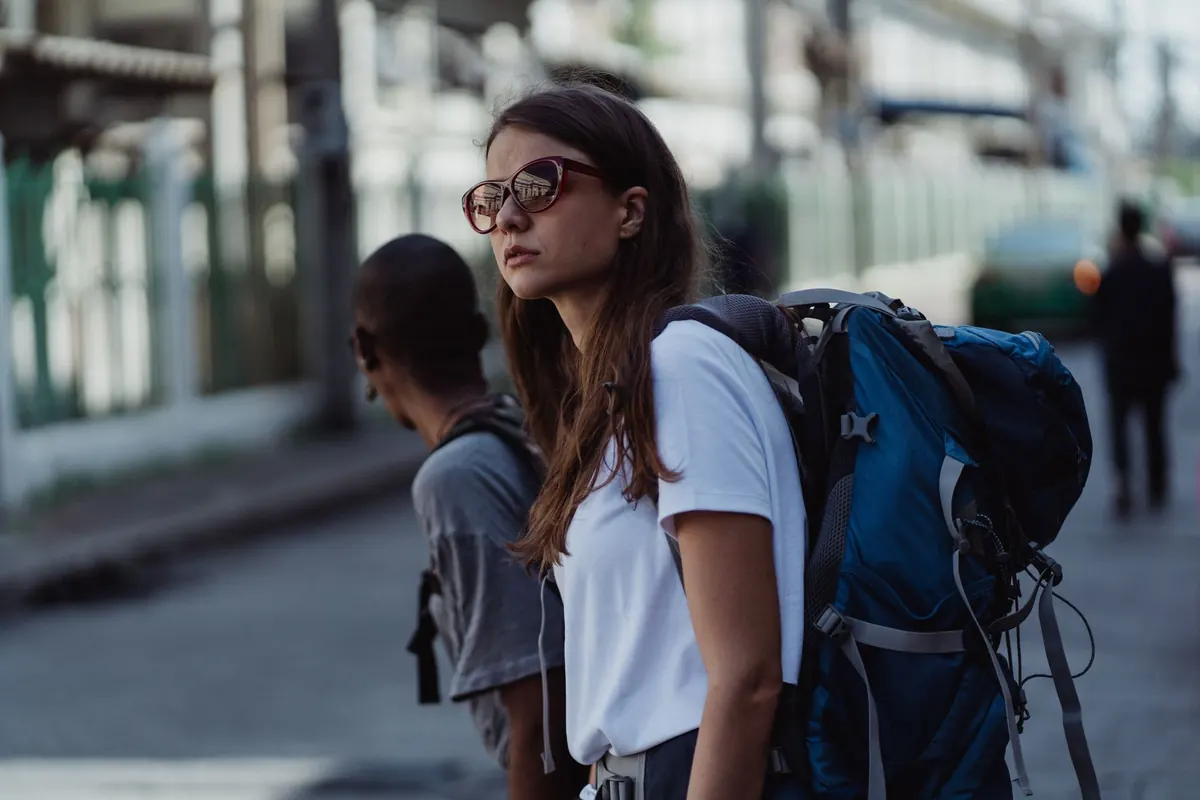
Common Packing Mistakes That Make Your Daypack Feel Heavy
Somewhere between the hotel room and the trailhead, a daypack stops being a convenience and becomes a burden. It rarely happens because of one dramatic item. It happens because of a dozen reasonable-sounding decisions — a second charger, the sandals you might want, a full bottle of sunscreen — each small enough to defend on its own and heavy enough together to change how the day feels by mid-afternoon. The fix is rarely a new bag. It's a shorter list, and a little ruthlessness about what earns a place on it.
What follows are the mistakes I see most often, roughly in order of how much weight they quietly add.
You packed for tomorrow as well as today
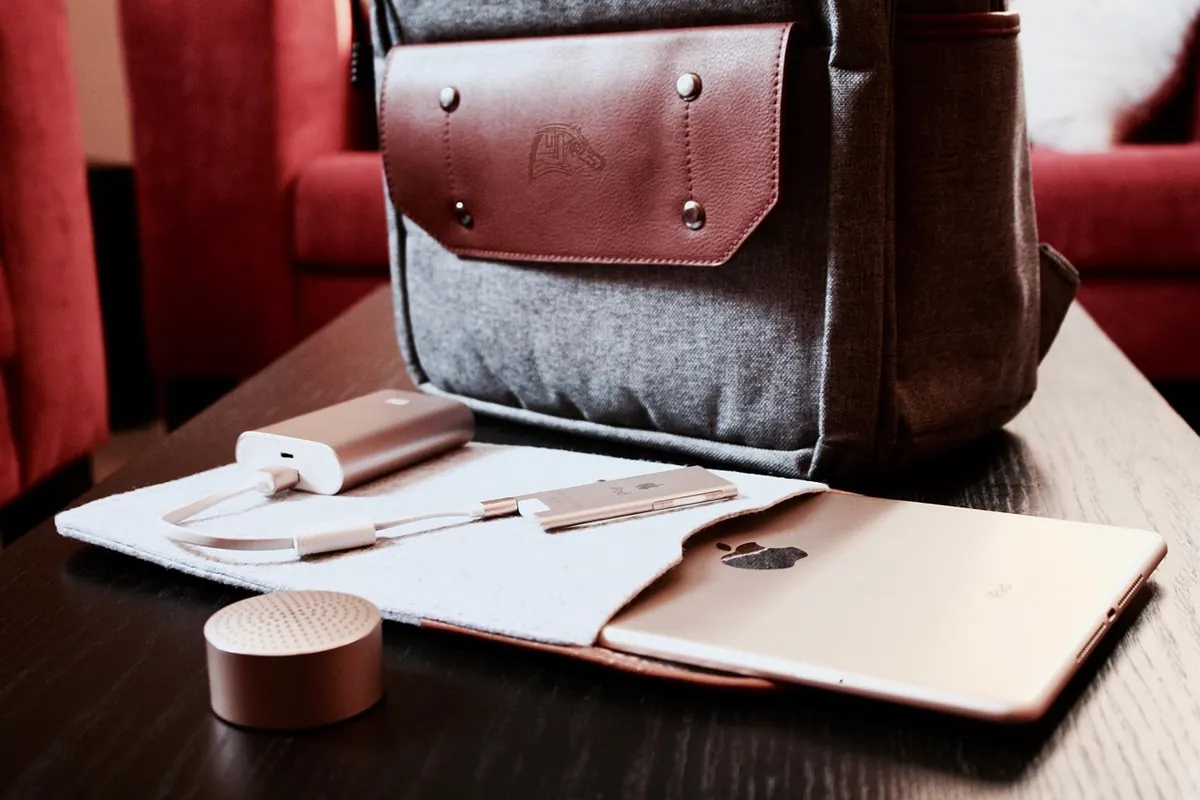
The most common error is packing for a hypothetical version of the day. Two t-shirts. Spare socks. A second power bank. A backup camera battery. An extra layer for a temperature drop that the forecast didn't mention. Backpackers have a saying — two is one and one is none — which is sensible logic on a remote route and poor logic on a day trip where a shop is never more than ten minutes away.
Ask one plain question about each duplicate: if this got wet, lost or broken, what would I actually do? For most day trips the honest answer is "buy another," "wear it damp," or "do without." If the answer is genuinely "the day is ruined," pack the spare. Otherwise it stays home. A clean shirt is a comfort item, not a safety item, and comfort items are the ones that quietly colonise a small bag.
The hotel-room test
Before you leave in the morning, look at what you didn't touch yesterday. Not what you might have needed — what you actually picked up. Most people find the same three or four things were used and the rest travelled for free. Lay those untouched items on the bed and make a decision about each one now, while you're standing still, rather than at the door with your shoes on.
Layers you carry instead of wear
Bulky and heavy are different problems, and it's easy to solve the wrong one. A thick fleece feels harmless because it compresses badly and squashes into a corner, but a mid-weight fleece can weigh as much as a compact insulated jacket that packs to half the size. Choose the layer that gives the most warmth per gram, not the one that looks smallest in the bottom of the bag.
Pick one mid layer, not two
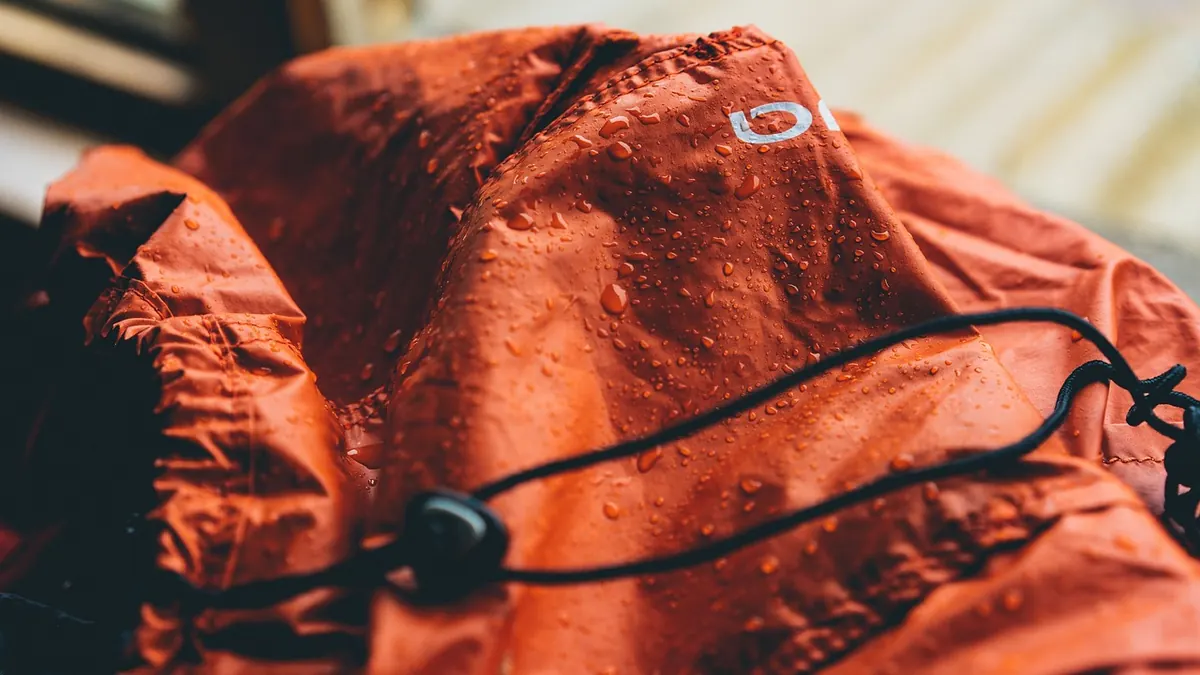
The workable formula for a day out is three pieces: something against the skin, one insulating layer, and a shell that handles wind and rain. That's it. Two mid layers is almost always a sign you don't trust the forecast, and the second one is dead weight from the moment you zip the bag.
Then use the oldest trick there is: wear the heaviest thing. The jacket, the boots, the thick jumper — put them on for the journey and let the pack hold only what you're not currently using. A pack carried on your back for six hours should weigh less than the clothes on your body, and if it doesn't, something in there is being stored rather than used.
Toiletries: the smallest, densest, most over-packed category
Nothing adds weight quite so efficiently as liquids. A full bottle of shampoo, a conditioner to match, body lotion, a large sunscreen, hair product, a glass bottle of perfume — put them on a scale together and you'll often find a kilogram of chemistry travelling for a two-day trip. Hotels supply soap, and a shop sells everything else if you run out.
Decant like you mean it
- Choose small silicone tubes or a 50 ml bottle, not travel-size versions of the full product — the packaging is often thicker than the contents.
- Fill to about three-quarters, then squeeze the air out before you cap it. Air expands in a warm bag and pushes product out through the seal.
- Label with a strip of tape and a marker. Unlabelled white tubes all look like conditioner by day three.
- Prime the tube once over a sink before it goes in the bag, so you're not testing the seal against your clean shirt.
- Bag the whole set in one thin zip pouch, not five.
Solid formats help more than people expect. A shampoo bar, a stick deodorant and a solid sunscreen remove several hundred grams of water and packaging at once, and they can't leak onto your jumper. For sunscreen, decant a day's worth into a small tube and leave the big bottle at the hotel — you'll be back by evening.
The container tax
Every pouch, cube and hard case adds fabric, a zip, a lining and a bit of structure. One well-chosen organiser is useful. Four is a bag inside a bag inside a bag, and you pay for each layer. A daypack with three internal pouches, a camera insert, a cable case and a sunglasses hard box is carrying perhaps two hundred grams of pure administration before you've put anything in it.
The same logic applies to the bag itself. A technical daypack with a framesheet, a hip belt and compression straps might weigh well over a kilogram — brilliant if you're carrying climbing gear up a mountain, overbuilt for a museum and a picnic. A simple 400-gram pack with a decent back panel will carry six or seven kilos comfortably for a normal day. Match the bag to the job, not to the most demanding trip you've ever taken.
Water, snacks and everything you buy along the way
Water is the one heavy item you genuinely need, so manage it rather than eliminate it. A litre weighs a kilogram, and two full bottles in a daypack is a kilo and a half on your shoulders before you've left the room. Carry one bottle and refill it — taps, fountains and cafés will get you through almost any day in a town, and on a hike you can plan refills around known water points.
Snacks deserve the same honesty. Buying a large bag of nuts or trail mix "to save money" means carrying half a kilo of it around for hours. Buy smaller quantities more often, or decant a portion into a light bag and leave the rest behind.
And leave room, not weight. Almost every daypack gets heavier as the day goes on, because of souvenirs, a wet jacket, a bottle of water bought at the station, a book. A bag packed so full that nothing else fits means you'll be carrying the next thing you buy in your hands.
A five-minute repack before you leave
This routine takes less time than finding your keys, and it works on the bed of any hotel room or the floor of any hallway.
- Empty the pack completely. Everything, including the things you're sure about.
- Sort into three piles: used yesterday, might use today, and everything else.
- Put the third pile back on the bed and look at it properly. At least half of it can stay behind.
- Pick the bag up and hold it at arm's length for thirty seconds. If your arm objects, so will your shoulders at hour four.
- Repack in order of use — the thing you'll want first goes on top, the shell at the bottom.
- Leave the "might use" pile in a drawer with a note to yourself. If you don't miss it, you've learned something for the next trip.
The goal isn't the smallest number on a scale. It's a bag you forget you're wearing, so the day belongs to where you are rather than what you're hauling. Most people get there by removing, not by buying.
Photo: Ketut Subiyanto / Pexels