How to Pack Light for a 5-Day Trip With Only a Carry-On
Five days of clothes, one bag that fits in the overhead bin, and no detour to a hotel laundry. That sounds tight until you stop packing "for a trip" and start packing for five specific days. The method below is what I would hand to anyone flying out Monday and back Friday with a rolling carry-on and a small personal item: map the days first, cut the wardrobe down to what those days actually require, squeeze the air out of the bulky items, and keep the toiletry bag small enough that it never becomes a conversation at security.
Plan the Five Days Before You Touch a Bag
Most people pack by category — a pile of tops, a pile of bottoms — and then guess how those piles combine. Pack by day instead. Take one sheet of paper, write Monday through Friday down the left side, and next to each day note what you will realistically be doing.
A typical five-day trip looks like this: one travel day, two working days, one evening out, one day of wandering. That is not five different wardrobes. It is roughly two smart-casual outfits, two casual ones, and one outfit that can pass at a restaurant. Once you see it written down, the bag gets smaller on its own.
Count the outfits, not the days
You need one outfit per day plus one spare layer. That is five daytime outfits and a light jumper or overshirt that works over all of them. Day one's clothes go on your body, not in the bag — a detail people forget and then pay for with an extra pair of jeans. Anything you plan to wear twice (trousers almost always, a cardigan sometimes) comes off the packing list entirely.
The Day-by-Day Packing Method, Step by Step
Work through these in order. Each step shrinks the next one.
- Day 1 is worn, not packed. Your bulkiest shoes, heaviest trousers and warmest layer travel on you. This alone frees a third of a small case.
- Days 2 and 3 get the flexible clothes. Two tops that work with the same pair of trousers, plus socks and underwear for those days. Choose pieces that survive a sink rinse and dry overnight.
- Day 4 gets the smarter outfit. One collared shirt or simple dress, one pair of lighter trousers or a skirt. Roll it in a pouch of its own so it stays unwrinkled.
- Day 5 gets comfort. The soft trousers or the second pair of shoes, whichever you skipped earlier, plus a clean top for the flight home.
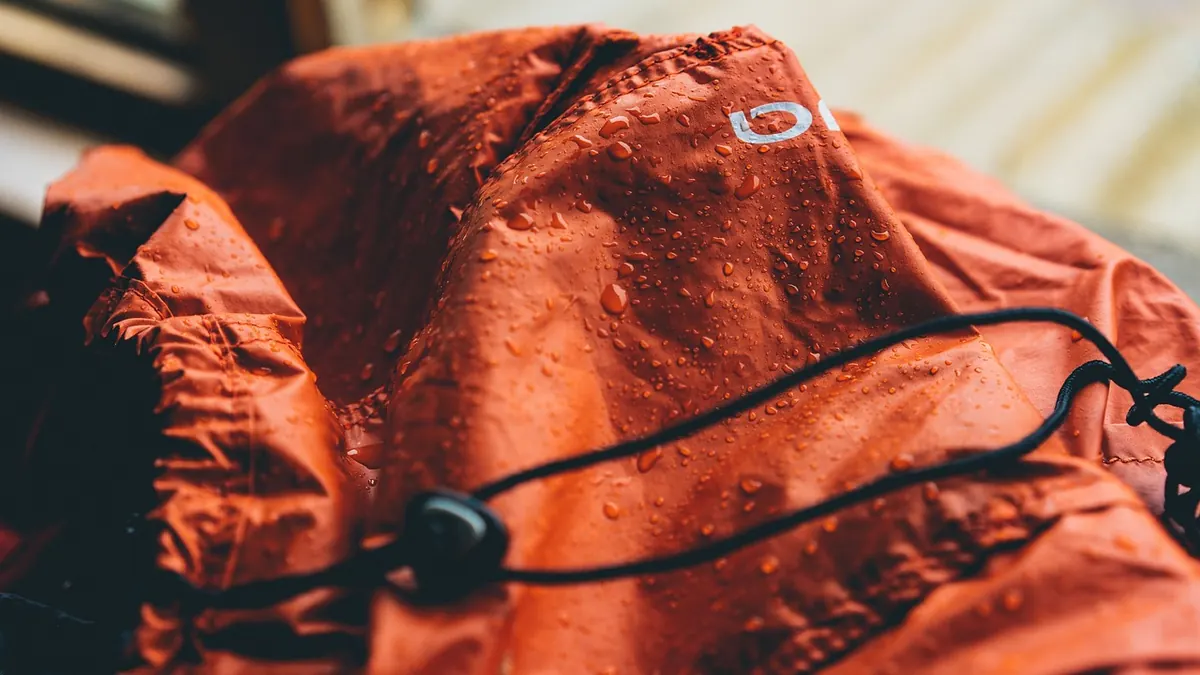
- Add one layer and one shell. A thin knit for evenings and a packable rain jacket. Not two knits. Not a coat.
- Lay everything out and remove two items. This is the step people skip and the one that makes the difference between a full bag and a bag that closes without a fight.
Five days, one carry-on, and the only thing you have to be strict about is the last step. Everyone can find two items to put back.
Choose Lightweight Clothing That Earns Its Space
Fabric matters more than quantity. A fine-gauge merino top weighs less than a thick cotton sweatshirt and stays presentable for three wears. Synthetic blends dry in a few hours on a bathroom rail. Thin cotton is fine for shirts if you accept that it will crease.
Colours should be boring on purpose. Pick one dark neutral for trousers — navy or charcoal — and one lighter tone for everything else. Two pairs of shoes is the ceiling: one pair of walking shoes on your feet, one pair of flat, packable shoes in the bag. Anything with a chunky sole or a thick rubber trim costs you a jumper's worth of space.
- Three tops that mix with both bottoms, in colours that hide a lunch stain.
- Two bottoms: one worn, one packed, both light and crease-resistant.
- Underwear and socks for five days, rolled, not folded flat.
- One thin mid-layer, one packable rain shell.
- Sleepwear only if you actually wear it — many people pack a set out of habit and never open it.
Skip the "just in case" jeans, the second pair of trainers, and the spare bag for shopping. If you buy something on the trip, it goes in the space you left by packing five days of clothes into four days of bag.
Compression Pouches, Used With Some Judgment
Compression pouches are the single best tool for carry-on travel, and also the easiest way to pack a bag that weighs too much at the check-in desk. They remove air, not weight. Use them on soft, bulky items and leave everything else alone.
What deserves compression
Underwear, socks, T-shirts, thin knits, a down gilet, dirty laundry on the way home. Group by day rather than by type — one pouch for days two and three, one for day four — so you unpack by lifting a pouch out instead of excavating a case.
What does not
Anything structured: collared shirts, a blazer, shoes, a camera, a toiletry case with bottles that can leak under pressure. Roll shirts loosely in a separate pouch with a sheet of tissue between folds. And leave one pouch uncompressed on purpose so there is somewhere to put the worn clothes.
The Toiletry Kit With a Hard Ceiling
Decide the size of the bag before you decide what goes in it. A quart-sized clear pouch, or a small hanging case no wider than your hand, is the limit. Check your airline's current rules on liquids and containers before you fly, since they vary by route and change from time to time.
Inside, everything is either a solid or a small decant. Solid shampoo bars and soap bars travel without leaking. Decant moisturiser, cleanser and serum into small bottles you have tested for leaks, and label them if you are short-sighted in hotel bathrooms. Take one sunscreen in a solid or small format, a toothbrush, a small toothpaste, a razor, and the medicines you actually take.
Then cut the cosmetics. A tinted moisturiser, one lip product, one concealer and a small mascara handle almost every evening. The hairdryer stays home — hotels have them, and a travel one costs more space than it saves. If you have a skin condition or take regular medication, pack what your doctor has advised and keep it in your hand luggage.
Pack It, Then Test It
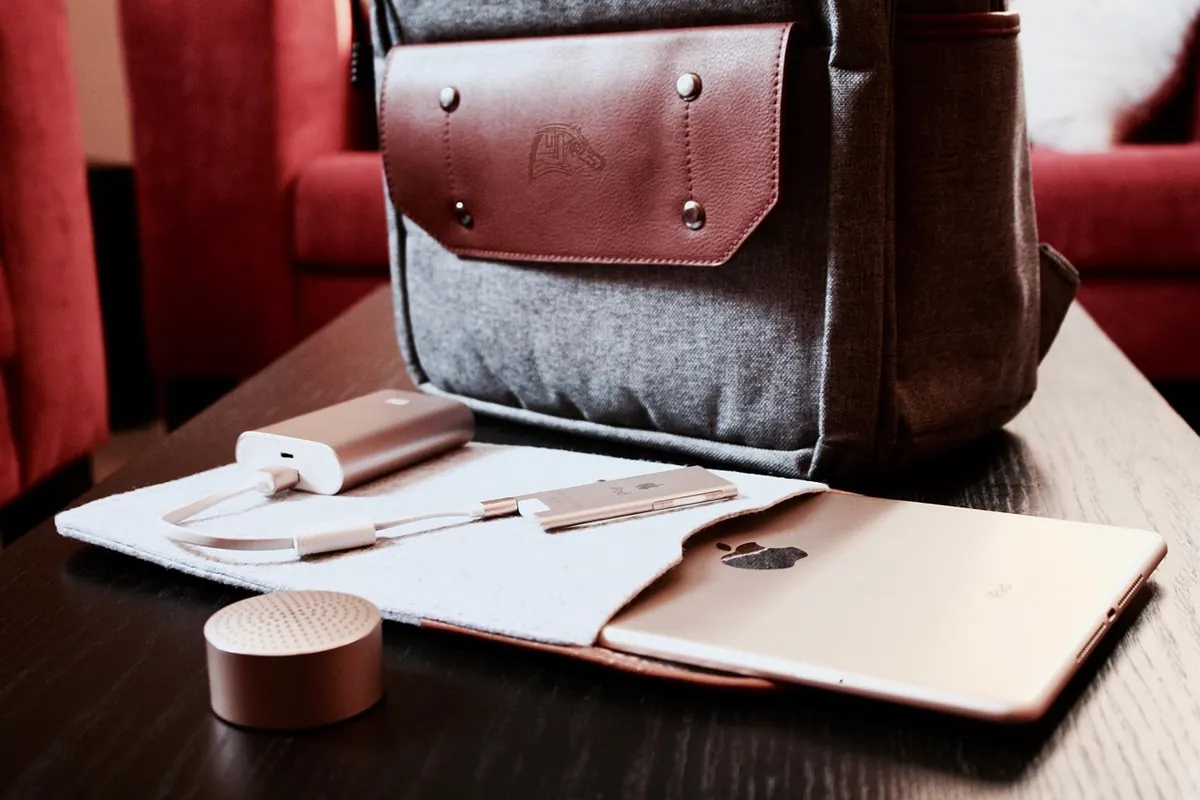
Put the pouches in the case first, heaviest and flattest against the hinge, shoes at the wheels end with socks stuffed inside them. Slide the shirt pouch on top so it stays flat. Chargers and adapters go in a small pouch in your personal item, not in the case — you may want them during the flight.
Now close the bag, lift it by one handle and shake it gently. If it rattles like a suitcase full of loose objects, repack by pouch. If it will not zip without pressure, it will not survive a full overhead bin. Weigh it on a kitchen scale or a luggage scale before you leave; it is far easier to move a jumper to your personal item at home than at the gate.
The Night Before, and the Trip Home
Lay the clothes out the evening before and pack once, not three times. Put the pouch for day one on top of everything, so you are not unpacking the whole case on arrival. Leave a folded nylon tote in the lid for anything you buy.
On the way home, dirty clothes go into the compression pouch that held clean ones, and the spare space becomes the shopping bag. Five days, one carry-on, and a return journey where you already know the bag closes. The method is the same every trip — plan the days, pack the days, compress the soft things, and hold the toiletry kit to a size that never surprises you at security.
Photo: Sergei Bezborodov / Pexels