How to Build a Lightweight Capsule Wardrobe for Spring Travel
Spring is the season that punishes overpacking. A week in Lisbon or Kyoto can hand you a cold morning, a genuinely warm afternoon and a soaking rain shower, sometimes all on the same day, and the instinct is to pack something for each of those moods. That is how a suitcase ends up half full of clothes you wear once and resent carrying.
The fix is not a bigger bag. It is ten pieces that all talk to each other: one palette, a few smart fabrics, and a layering system that flexes from eight degrees to twenty-two without you thinking about it. Here is how to choose those ten, in the order that actually works.
Start with the forecast, not the wardrobe
Before you look at a single garment, write down three numbers for your destination: the coldest morning you might reasonably meet, the warmest afternoon, and the number of days you expect rain. Add two practical notes: how often you will have access to a washing machine, and whether your accommodation has a heated towel rail or a line to dry things on.
Those five facts decide almost everything. A trip with a 6 to 14 degree range and no laundry access needs different fabrics than a 14 to 24 degree city break with a washer in the flat. Packing for the forecast is a skill; packing for the weather you hope for is how people end up buying an emergency jumper abroad.
Choose a three-colour palette and hold the line
Pick one dark neutral, one light neutral and one colour you actually enjoy wearing. Navy, ecru and a soft rust, for example, or charcoal, stone and faded green. Every piece you pack must work with at least three of the others. That single rule kills most bad purchases before they reach the bag.
The palette does quiet work in the background: it means any top can go with any bottom, so five outfits come out of four garments, and a stranger in a café will never guess you wore the same trousers yesterday.
The ten pieces
This list assumes seven to ten days and a mild-to-cool spring destination. Underwear, socks and a light scarf sit outside the ten; shoes are inside it, because they are usually the heaviest thing you own.
- Two short-sleeve base layers in merino or a quick-dry synthetic blend, in two different colours from your palette. These do the most work of anything in the bag.
- One long-sleeve lightweight top, merino if you can, that works alone on a mild day and as a midlayer under everything else.
- One overshirt or soft button-down in a quick-drying blend. It dresses up a dinner outfit and doubles as a light jacket on a warm evening.
- One packable insulated jacket, down or synthetic, that squashes into its own pocket. This is your insurance against the eight-degree morning.
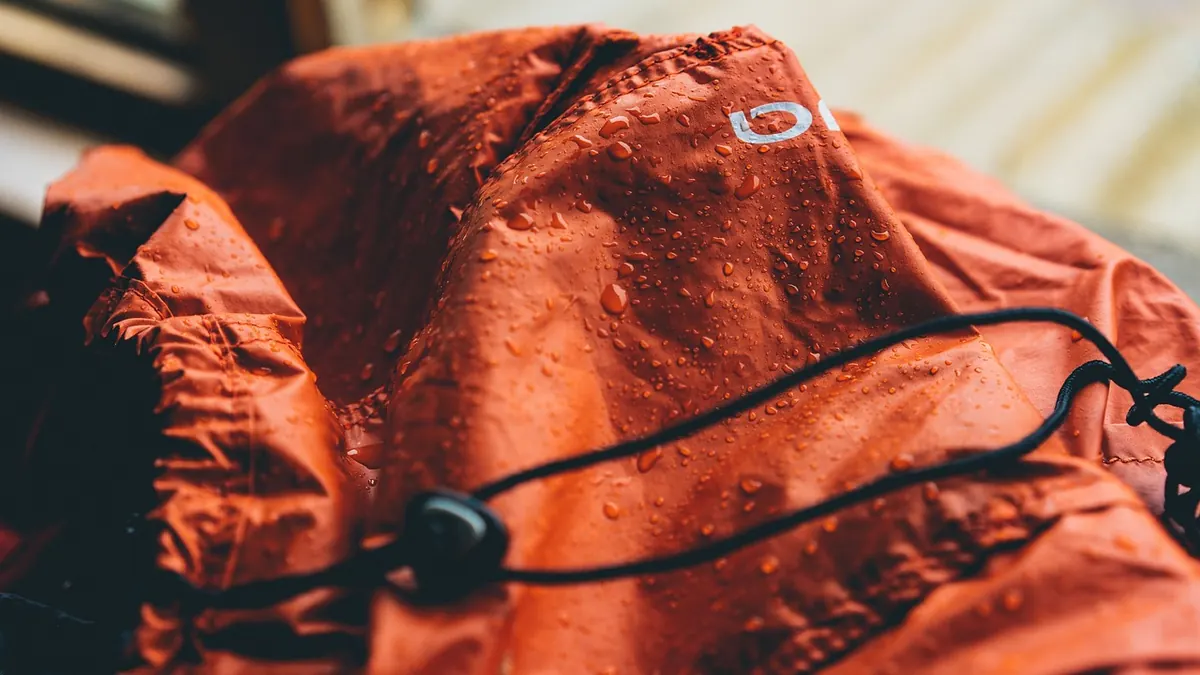
- One hooded rain shell with taped seams. Not a fashion jacket with a water-repellent finish, but something that genuinely keeps rain out.
- One pair of travel trousers in a stretchy, quick-dry weave that reads smart enough for a restaurant.
- One lighter second bottom: cropped chinos, a simple skirt or tailored shorts, depending on your destination and your habits.
- One pair of walking shoes you have already broken in, worn on travel days.
- One packable second pair: flat sandals, lightweight trainers or ballet flats that fold flat.
- One extra layer of your choice: a fine knit, a sleeveless vest, or a second overshirt if you run cold. Keep it thin.
Pick fabrics that earn their weight
Cotton is comfortable and terrible for travel: it holds water, dries slowly and stops insulating when damp. Merino regulates temperature, resists odour for two or three wears and dries overnight. Synthetics dry even faster, though they can hold smells, so look for treated versions. For insulation, down packs smaller for the warmth; synthetic keeps you warm even when wet and is easier to wash.
Weigh everything once
Put your kitchen scale to work before you pack. A light merino tee usually lands well under 200 grams; a packable insulated jacket is often 250 to 350 grams; a proper rain shell can be lighter still. Weigh your ten pieces, add your shoes and toiletries, and you have a real number instead of a hopeful guess. Do this once and you will never again be surprised at the check-in desk.
Test the sink-wash question
If you plan to wash as you go, do a trial run at home: rinse one base layer in the sink with a little travel detergent, roll it in a towel, hang it, and see how long it takes to dry. Anything still damp after eight hours is not coming with you on a short trip.
Pack to the scale, not to the bag
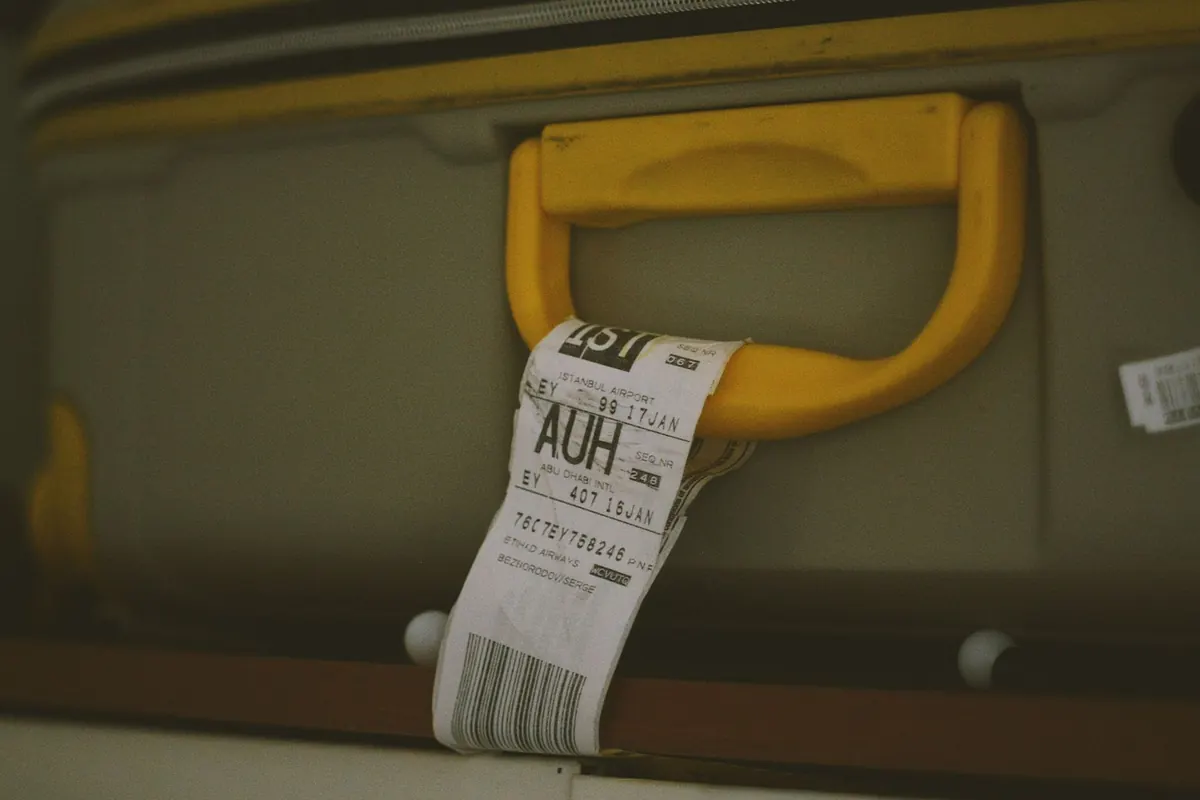
Cabin allowances vary widely by airline, route and fare class, and several carriers weigh cabin bags at the gate. Check the specific allowance attached to your booking rather than the one printed on your bag, because it may be lower than you expect. If your fare includes no cabin bag, buy the allowance you need in advance.
A few habits keep you under the limit without drama:
- Wear your heaviest items on travel days: walking shoes, trousers, the insulated jacket.
- Use one or two packing cubes; compression helps, and cubes make repacking on a train platform far easier.
- Decant toiletries into small bottles and treat them as part of the weight budget, not an afterthought.
- If the bag is over, remove the piece you would least want to wear twice rather than the one you would miss least.
Layer for a day that changes its mind
Think in three layers: a base that sits against the skin, a midlayer for warmth, and a shell for wind and rain. Every combination should work, which is where the palette earns its keep.
A real spring day might go like this. Cool morning: base layer, long-sleeve top, rain shell. Midday sun: base layer alone, shell folded into the day bag. Evening breeze: overshirt over the base layer, shell in reserve. Four garments, three entirely different outfits, no return trip to the hotel.
Try the capsule at home first
Lay all ten pieces on the bed and build five outfits without adding anything. If you cannot, the problem is usually a colour that does not sit with the rest or a missing midlayer, and both are easier to fix at home than abroad. Then wear the capsule for a weekend in your own city, including a rainy walk and a dinner out. You will learn which piece is dead weight before it costs you anything.
Your night-before checklist
Weigh the packed bag one final time. Confirm your airline's cabin allowance. Charge your devices and pack the charger in the day bag, not the hold. Put the rain shell and the long-sleeve layer on top of the packing cube so you can reach them without unpacking. Wear the walking shoes to the airport, with the sandals in the bag.
Ten pieces, one palette and a scale will not guarantee good weather. They will guarantee that whatever the sky does, you have something to wear and a bag light enough to carry up four flights of stairs without stopping.
Photo: StefanCoders / Pixabay